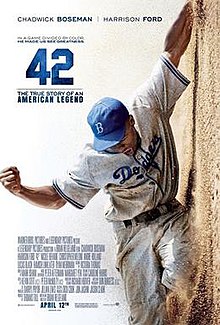
I used to be a sucker for these movies. From Louis Gossett Jr. playing Satchel Paige to The Express: the Ernie Davis Story not too long ago, I ate this stuff up. But my enthusiasm has waned in recent years.
One reason this movie has a strike against it (pun intended) from the opening pitch is because the story has been told so many times already. It's difficult enough scraping up some originality for ANY jock flick, much less the Black History subgenre of jock flicks.
Most people still love to watch a silver screen depiction of an athlete overcoming adversity, beating the odds and earning some kind of great victory. Not easy to do without becoming predictable. Throw in the "color barrier" aspect from the Jim Crow days and not only is the outcome predictable, so is most of the conflict on the way to it. We know the hero is going to be persecuted by rednecks in the bleachers, on the opposing teams and in their own locker room. Bigots will deny them hotel rooms, seats on planes and buses, and rob them of good plays on the field with blatantly crooked officiating. There will be a gratifying scene or two of those bigots getting some measure of commuppance; a touching instance of a teammate overcoming his own bigotry to help the hero at a critical juncture; and of course the big Victorious Moment when the hero scores the big home run/touchdown/goal/knockout/three-pointer/whatever.
 I don't know that much about baseball and have never followed it (though I played in Little League and plenty of sand lot games as a kid), but according to some quick Internet research, 42 is surprisingly factual (if chronologically tweaked). And yet while watching it, I couldn't help feeling that it wasn't about Jackie Robinson the man--Jackie Robinson's name was merely stuffed into the Hollywood Black History Jock Flick cookie cutter.
The film makers combined visuals, dialog and mood music at all the Big Moments for the desired effect, but to me this was just faithful adherence to a well-worn formula. It's hard to tell if there was much, or any, passion for the subject matter.
This lack of passion trickled down into the performance of most of the actors. The best I can score most of them is "near miss." I can't fault the players, who certainly seem talented enough. In the case of Robinson's wife, reporter Wendell Smith and both managers of the Brooklyn Dodgers, they just didn't have much to work with. They were given just enough screen time and dialog to mark off a box on the formula checklist, but not enough to contribute anything significant to the story. Nicole Beharie as Rachel Robinson, for instance, could have been instrumental in helping her husband temper the rage building in him from the injustice he suffered. It almost seemed like that's what we were about to see once or twice. But if the scenes were ever shot, they must have wound up on the cutting room floor. So the passionate embraces and expressions of concern which were included amounted to nothing more than boxes checked off. Successful stamps of the cookie cutter.
Even the lead actor Chadwick Boseman wasn't given sufficient opportunity to define the Jackie Robinson character beyond type. Harrison Ford, however, hogged the camera from beginning to end, mugging and hamming as owner Branch Rickey. So much so that the flick was more about him than about Robinson. There's no doubt in my mind that Ford used his clout as a big name movie star to amp-up his part, to the detriment of the film itself and the other actors in it. And critics may even praise him for "stealing the show."
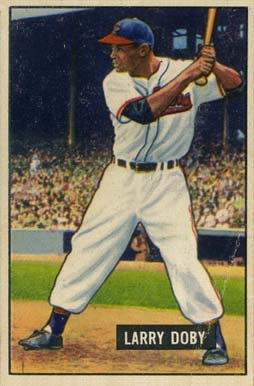 Robinson (as well as American League counterpart Larry Doby, and trailblazers Satchel Paige and Josh Gibson) were exceptional athletes and remarkable men. Unfortunately, there's nothing exceptional or remarkable about this movie.
In addition to the formula being so overused, maybe Hollywood film makers are equally hindered, subconsciously by their own worldview, from crafting a noteworthy film on this topic. After all, to tell the story with any modicum of historical reality they must depict an individual who, through hard work, diligence, determination and a measure of God-given talent, fights his way up from obscurity, rejects mediocrity, pursues excellence and achieves it despite the many forms of adversity in his path--usually an offshoot of institutionalized group identity. And the individual's exceptional accomplishments did not come by way of entitlement programs or government handouts.
That's not a message Hollywood likes to deliver.

